Free shipping worldwide
Easy returns within 30 days
Rated ⭐4.8/5 by our clients
Free shipping worldwide
Easy returns within 30 days
Rated ⭐4.8/5 by our clients
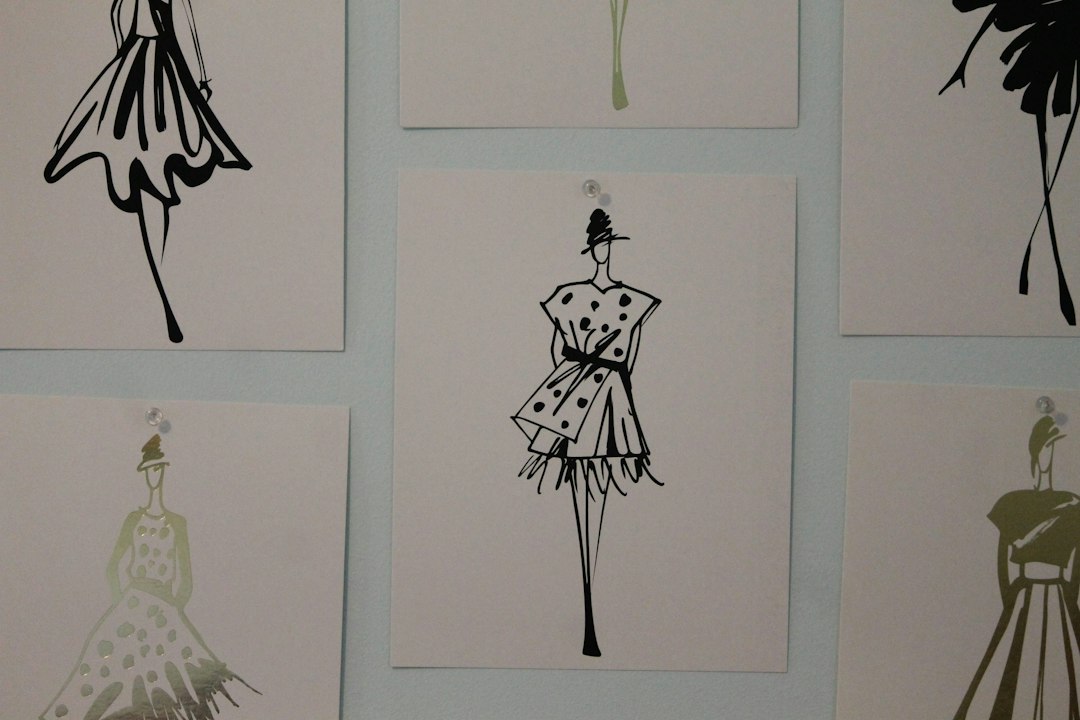
A clear Y2K outfit drawing starts with the pose and silhouette, not tiny details. Build the figure in layers: mark the stance, block the clothes, add a few era-specific features, then use a small palette to make the design readable.
Draw a light line for the spine and short marks for the shoulders, hips, knees, and ankles. Give the stance a slight weight shift so the figure does not look stiff. Keep these guide marks faint; they help place the clothes before you refine the outline.
Add a top and bottom as simple shapes: a fitted tee with wide jeans, a cropped jacket over a dress, or a hoodie with a skirt. Draw the outside edges first and leave room for hems, folds, and shoes. Avoid detailing pockets before the proportions work.
Choose a few details with clear silhouettes: a wide belt, shiny jewelry, a small bag, or chunky shoes. The Grunge Belt is rated 5/5 from 3 reviews; its buckle and strap can serve as a visual reference for where a statement belt sits on the waist.
Trace the clean clothing edges, erase extra construction lines, and choose two main colors plus one accent. Use shine sparingly on a buckle or accessory. Make sure each detail still reads at a small size before adding more.
A quick silhouette test helps: cover the face and colors with your hand and see whether the outline still reads as Y2K through the proportions and accessories. If not, enlarge one distinctive shape rather than filling every space.
Keep the gesture lines light, check that sleeves and legs attach naturally, and use shadows only where they clarify a fold or layer.

Free shipping worldwide with no minimum purchase.

Transactions encrypted and secured by a SSL protocol.

Not satisfied with your purchase? Return your order for free within 30 days.

Our after-sales service is there for you from Monday to Saturday.


