Free shipping worldwide
Easy returns within 30 days
Rated ⭐4.8/5 by our clients
Free shipping worldwide
Easy returns within 30 days
Rated ⭐4.8/5 by our clients
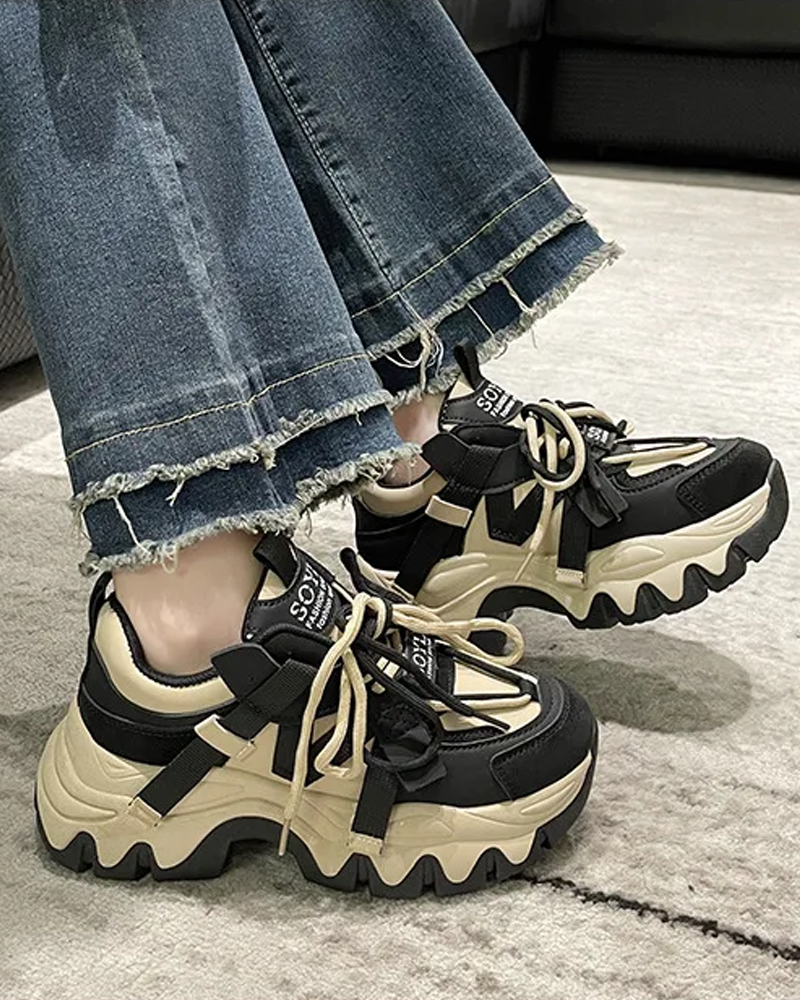
Start with a low-profile shoe when your midi hem lands at the widest part of your calf. If the hem sits lower and your ankles still show, try a chunkier sneaker or a slim ankle boot.
Stand in front of a mirror with bare feet and note where the hem cuts across your calf. With a mid-calf hem, compare a flat that exposes the top of the foot with a sneaker that covers it.
With a longer midi, check how much ankle remains visible when you take a step.
Try a low sneaker for a daytime cotton midi, a pointed slingback for a straight dress at dinner, or a fitted ankle boot for a cold day. Keep the dress and any socks the same while you compare.
If the boot and dress are almost touching, tights close to the boot color can make the gap less distracting.
Walk down a step, sit and stand, then watch the back hem in the mirror. If a boot shaft catches the skirt lining, switch to a smoother boot or an open-instep shoe.
If a thick sneaker feels heavy with a narrow skirt, try a lower sole before changing the whole outfit.
Put on a full cotton midi and a fitted jacket or cardigan. Compare a flat sneaker against a chunky one from the side.
Keep the chunky sole if you can still see the ankle and the skirt swings freely. For a long event, choose the pair you can already walk comfortably in.
Try these with a fuller midi and enough ankle showing to give the sole space. The Womens Chunky Sneakers adds sole height to the fuller-midi outfit.
Take photos from knee height. Put on each pair and take a front and side photo from the same spot. Compare where your eye goes first. If the sole looks larger than you expected, try a lower sneaker in a similar color to see whether height or color is the difference.
Change the sock before ruling out the shoe. With low sneakers, test a no-show sock and a thin sock that matches the shoe. With boots, check that the sock stays below the shaft when you walk. Tights can also help a dark boot look more continuous under a midi on cooler days.
Give the hem room to swing. If a narrow skirt catches on a boot, test your stride with the zipper or slit in its normal position. A shoe that works while you stand can still catch when you turn. For an outdoor event, try the same movements on a rougher surface and check whether the sole feels steady.
Try a shoe you already own first. Put two pairs by the door the night before. Choose based on how far you’ll walk and how long you’ll stand, then use the mirror to settle the style.

Free shipping worldwide with no minimum purchase.

Transactions encrypted and secured by a SSL protocol.

Not satisfied with your purchase? Return your order for free within 30 days.

Our after-sales service is there for you from Monday to Saturday.


