Free shipping worldwide
Easy returns within 30 days
Rated ⭐4.8/5 by our clients
Free shipping worldwide
Easy returns within 30 days
Rated ⭐4.8/5 by our clients
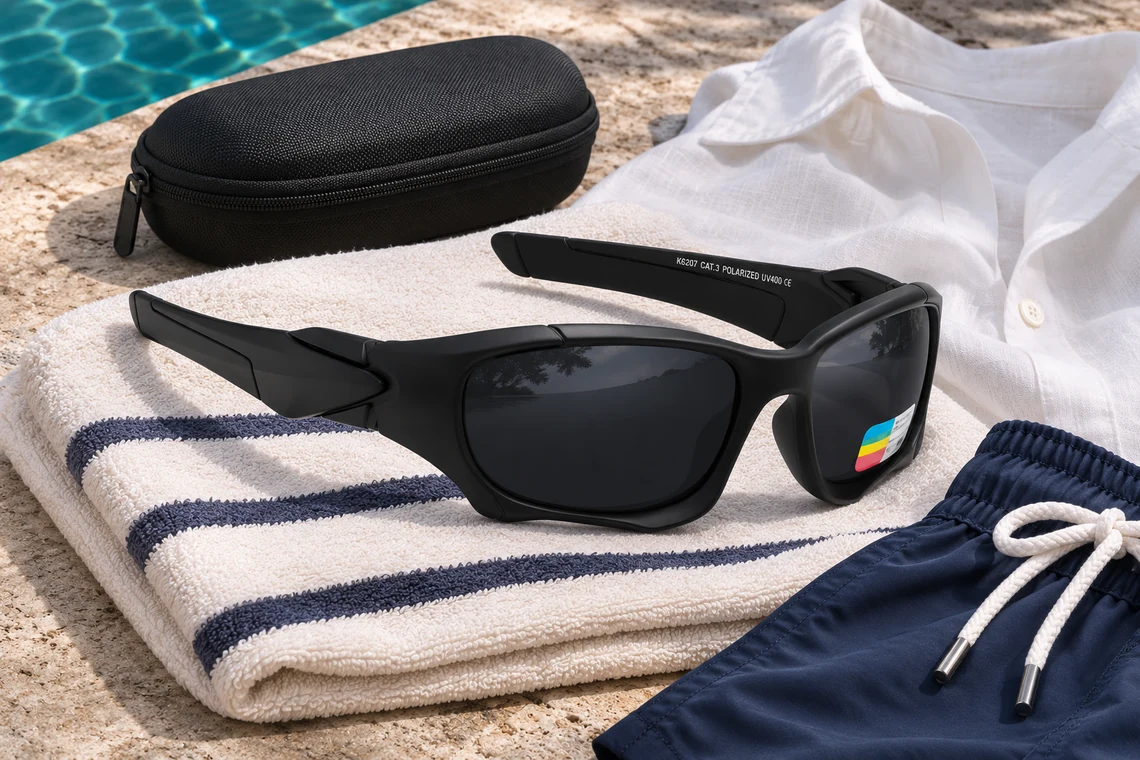
Start with swimwear that stays put when you raise both arms, then add a quick-drying cover-up and shoes you can take off easily.
Try your swimsuit on at home and check it while you bend, reach and sit. Choose the fit you would comfortably wear for an active afternoon. Put a plain cover-up on over it and see how quickly you can get changed without repacking your whole bag. The Y2K Sports Sunglasses are one option for the dry parts of the visit, such as walking between areas or taking a poolside break. They have a 5/5 average from 2 customer reviews. Put them in a case before going into the water or joining a ride, and follow the park’s posted rules on loose items.

Some parks have specific rules about fasteners, exposed hardware and what you may wear on a slide. Check the park’s own entry information before packing. A simple swimsuit and a separate cover-up give you a starting point you can adapt to the venue. If you prefer more coverage, look for swimwear designed for that purpose and confirm that the particular attraction allows it. Test any drawstrings or layers at home so you know how they sit.
Try the shoes on with the same layers you expect to wear. Check whether they rub or slip on your foot as you walk. Bring the pair you can remove and put back on without untying a complicated set of straps. If you would rather wear water shoes, check where the park allows them. Use a separate dry pair for the ride home if you know it will feel better after several hours.

A longer cover-up may look fine standing still and drag when its hem gets damp. Walk up a step or sit down to see what the fabric does. If it clings or drops toward the ground, try a shorter hem or wear loose shorts over your swimsuit for the walking part. Pick one layer that folds small enough to go in the bag without crumpling your dry shirt and shorts underneath.
Put the dry shirt, underwear and shorts together in a separate pouch. Keep the towel easy to reach. Place the glasses case where you can get at it before you enter the water. This avoids having to rummage through a damp towel to find something you want to keep dry. If you plan to use a locker, check the available sizes and put the few items you want on arrival at the top of your bag.

A plain light shirt and dark shorts make an easy ride-home outfit, especially if there is a café or shop on the way back. Check how the shirt sits over a dry swimsuit or under a jacket before choosing the final change. Pack what you will actually want to wear after the visit.
Put on the swim outfit, then try switching into the walking layers and packing them again. You want a fit that feels secure, shoes that are easy to handle and dry clothes you can reach quickly. If any item slows that test down, make one change to the layer or bag placement.

Free shipping worldwide with no minimum purchase.

Transactions encrypted and secured by a SSL protocol.

Not satisfied with your purchase? Return your order for free within 30 days.

Our after-sales service is there for you from Monday to Saturday.


