Free shipping worldwide
Easy returns within 30 days
Rated ⭐4.8/5 by our clients
Free shipping worldwide
Easy returns within 30 days
Rated ⭐4.8/5 by our clients
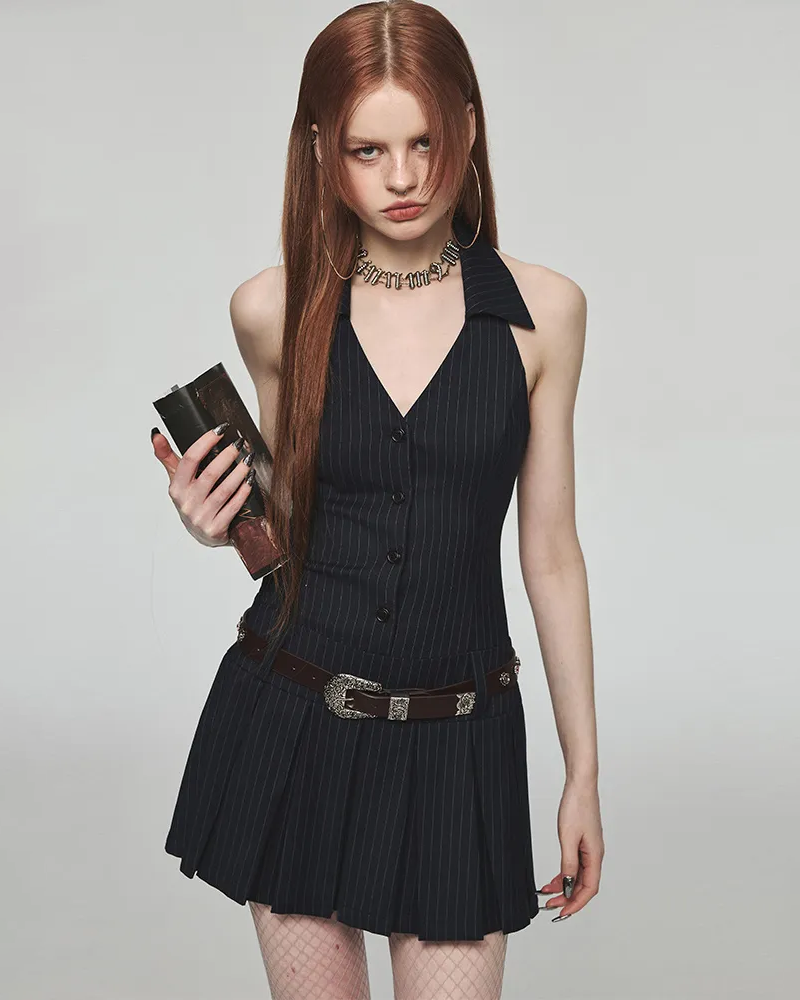

A shirt dress uses shirt-like details such as a collar or button front, but the cut can range from loose and straight to fitted and pleated. It is different from a jersey T-shirt dress. Advice that works for one shape may add unnecessary bulk to another.
Try the dress without accessories. Check the shoulder fit, button line and seated length. If it pulls across the chest, a belt will not solve the problem.
Use low-profile flats, loafers or simple sneakers. If the dress already narrows at the waist, leave that shape alone unless you deliberately want a belt detail. An open jacket lets the collar and waist remain visible.
For a short dress, test the length while sitting and reaching. Tights can provide coverage in cooler weather, but they do not change how far the hem moves.
Wear it loose with simple sandals for an easy outline, or use a narrow belt to create a waist. Blouse a little fabric above the belt only if it does not shorten the hem too much. Check the back view as well as the front.
If the sleeves are designed to roll, make both cuffs similar rather than forcing a thick uneven fold. Avoid rolling a tight sleeve so far that it restricts your arm.
Choose shoes for the walking you will do, then judge the dress length with those shoes on.
An open cardigan or jacket is usually easier than a high-neck layer that crowds the collar. For a sleeveless dress, check armhole coverage with your intended underlayers. A thin long-sleeve base can work if it does not bunch at the shoulders.
Only use a shirt dress as an open overshirt if its buttons open far enough and the cut hangs comfortably that way. A partial button front cannot be styled like a fully opening garment.

The photographed dress has a defined waist and pleated lower section, so start without an extra belt. Use flats for a tidy look or sneakers for a casual one.
Compare the product measurements with a garment you already wear before choosing a size.
A collared dress already frames the face. Try an open cardigan if you want the collar visible, or a simple crew-neck knit over the dress if you want to show only its points and the skirt. Keep a fitted or pleated dress unbelted first; add a belt only if it improves the shape without bunching the button line. Check that buttons stay comfortable when seated.
Start with your preferred dress shape, then change the shoes and layer to change its mood.

Free shipping worldwide with no minimum purchase.

Transactions encrypted and secured by a SSL protocol.

Not satisfied with your purchase? Return your order for free within 30 days.

Our after-sales service is there for you from Monday to Saturday.


