Free shipping worldwide
Easy returns within 30 days
Rated ⭐4.8/5 by our clients
Free shipping worldwide
Easy returns within 30 days
Rated ⭐4.8/5 by our clients
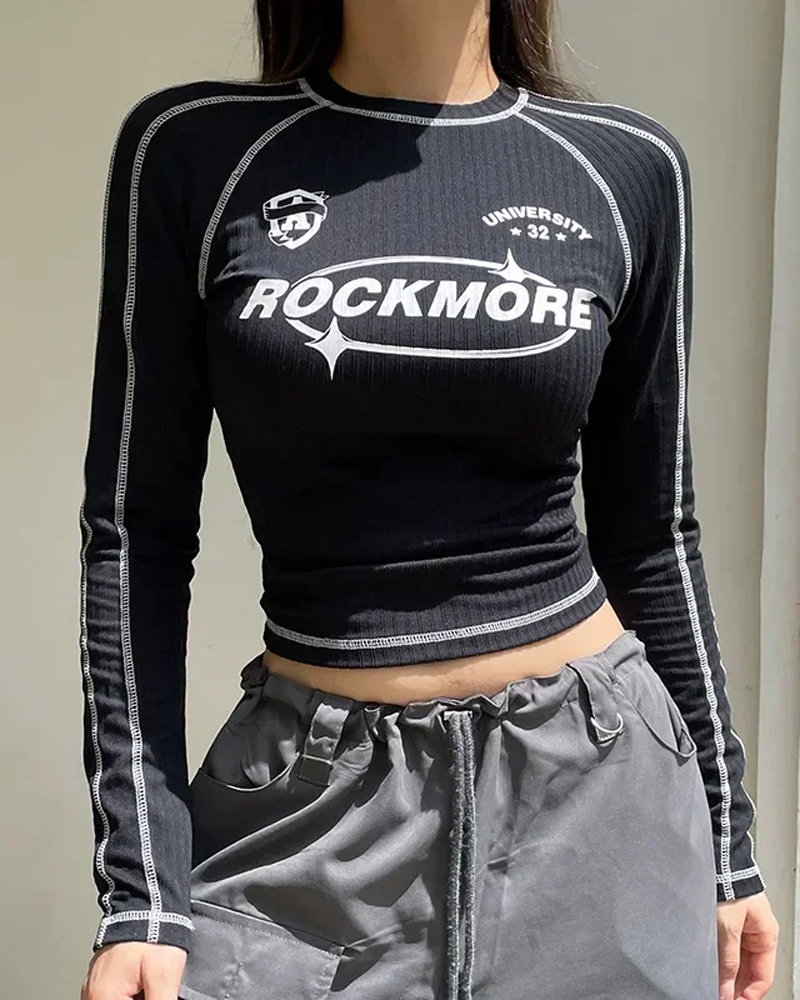

The base should fit inside the outer tee without bunching at the upper arm. It does not need to be skin-tight. Try raising your arms: if both layers pull together and stay bunched, the outer tee may be too narrow or the base too bulky.
A soft, smooth base is easier to layer than a thick textured knit. Check the actual garment rather than assuming every item labelled long sleeve will behave the same way.
Black sleeves under a pale tee create a clear outline. Let the tee’s print be the main detail and keep the trousers plain. If the base has a large chest graphic, check that it does not show through or crowd the outer neckline.
Use the longer layer where you want coverage. A cropped base beneath a long tee will not provide extra coverage if the tee lifts; choose the base length accordingly.
Charcoal under black or cream under white gives a subtler result. The visible cuffs still show that the layers are deliberate. Keep the sleeve ends neat so they do not cover your hands when you need to use them.
Small differences in colour become more visible in daylight. That is fine; the aim is a connected palette, not an impossible exact match between different fabrics.
A base neckline close to the tee’s collar creates a narrow border. A higher neck makes a stronger statement and may feel warmer. Try both layers together before adding jewellery; two collars already occupy the same space.
If the tee neckline is wide, check that the base sits evenly on both shoulders. Twisting fabric is easier to fix before adding the outer layer than by tugging at the cuffs afterward.
Use straight or relaxed jeans for an everyday version, or a simple skirt with tights for a different shape. If both tees are long, avoid adding a third bulky layer around the waist unless you like that volume.
For warm indoor settings, make sure you can remove one layer without losing the coverage you want. A base with decorative seams can become the main top once the tee comes off.

The fitted-looking sleeves and contrasting seams give a light outer tee a defined edge. Check the cropped length against your coverage needs before using it as a base.
Compare the product measurements with a garment you already wear before choosing a size.

The photographed graphic tee supplies the outer layer. Compare its chest and sleeve measurements with the base so the shoulders and upper arms have room.
Compare the product measurements with a garment you already wear before choosing a size.
If the upper arms feel tight, try a roomier outer tee before changing the fitted base. If the cuffs twist, straighten the base sleeves before putting the tee on. If two necklines crowd each other, choose a lower base neckline or make the visible contrast deliberate. Then check the hem: a cropped base is fine under a longer tee, but it will not supply extra waist coverage when the outer tee lifts.
Test two tops you own before deciding which layer is missing.

Free shipping worldwide with no minimum purchase.

Transactions encrypted and secured by a SSL protocol.

Not satisfied with your purchase? Return your order for free within 30 days.

Our after-sales service is there for you from Monday to Saturday.


