Free shipping worldwide
Easy returns within 30 days
Rated ⭐4.8/5 by our clients
Free shipping worldwide
Easy returns within 30 days
Rated ⭐4.8/5 by our clients
For a regular ballet performance, a dress with a removable layer, or smart trousers with a neat top, is an easy starting point. You do not automatically need formal eveningwear. Check your theatre and ticket first, then choose clothes that feel comfortable while seated.
There is no single dress code that applies to every ballet venue. For example, the Royal Ballet and Opera’s first-visit guide says regular performances at London’s Royal Opera House do not require formal dress: jeans and trainers are among the options it describes. Events with a specific code are identified when booking and on the ticket.
Use that as reassurance that ballet-going need not mean buying a gown, rather than as a rule for every theatre. A gala, fundraiser or hosted reception may have its own instructions. The actual ticket wins over an outfit guide.
Try a fine-knit top with straight trousers and loafers, or a simple skirt with a cardigan and flat boots. If you are sightseeing before the performance, choose shoes for the walking first. A neat outer layer can make a familiar daytime outfit feel more considered.
Keep a large day bag out of the plan unless you have checked the theatre’s storage rules. You want your belongings to fit within your own space without relying on an empty neighbouring seat.
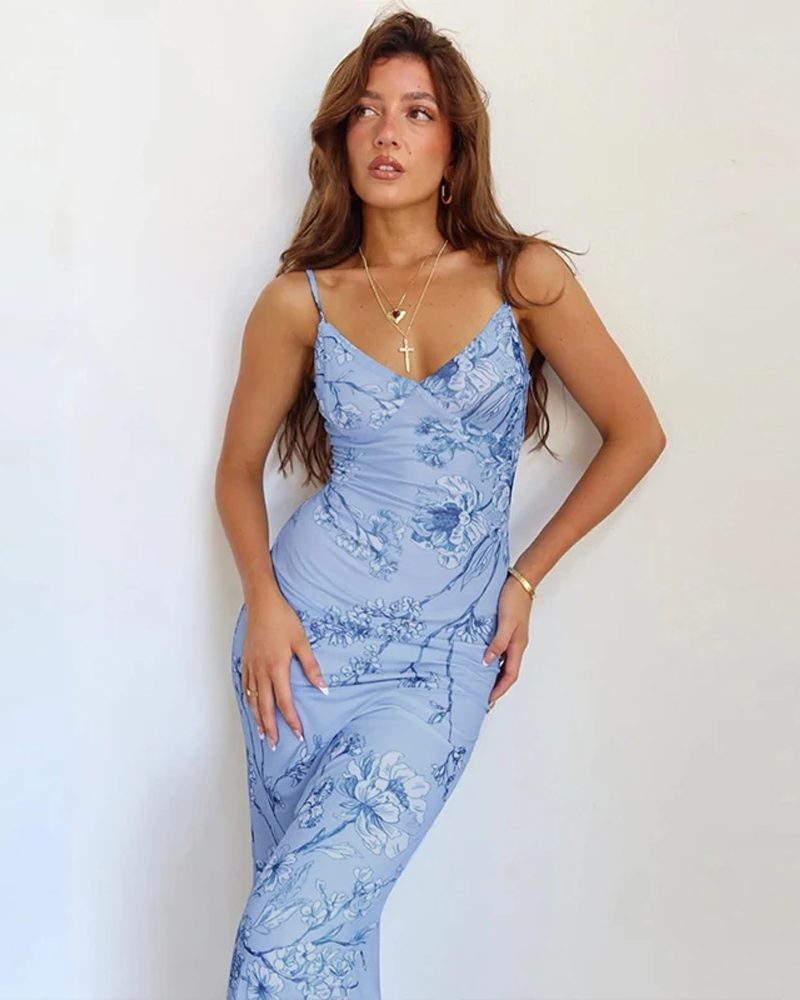
A dress with a cardigan or blazer is a straightforward option. Our Blue Floral Bodycon Dress has slim straps and a blue floral print, making it a choice for a softer, dressier interpretation. The fitted shape means the seated fit matters as much as how it looks standing.
Compare the bust, waist, hip and length measurements with a dress you already wear comfortably. Sit down, bend your knees and reach forward in a similar silhouette before deciding it is right for your evening. Add a layer that you can put on quietly without rearranging the whole outfit.
Follow the wording on the invitation. If it calls for formalwear, use that as the basis for your outfit rather than assuming an ordinary performance dress will meet it. If there is no code, dressing up can still be part of your enjoyment; it is a choice rather than an obligation.
For a relaxed version of the blue floral dress, add a plain cardigan and flats. Keep jewellery small so the print remains the focus. For dinner before an evening performance, use a dark blazer and a compact bag instead. The dress stays the same; the outer layer changes the level of structure.
You can also replace the dress entirely with wide trousers and a neat top. A skirt or dress is not essential to enjoying a ballet. Choose the silhouette in which you can sit through the performance without tugging at seams, straps or a waistband.
No. A ribbon, soft cardigan or ballet flat can be a personal nod to the occasion, but audience clothing does not need to imitate dancewear. Choose those details only if they belong naturally in the outfit.
For more ways to combine a printed dress with shoes and layers, see our floral dress styling guide. If the blue dress fits your plans, use it as a starting point and keep the rest simple enough to enjoy the performance.

Free shipping worldwide with no minimum purchase.

Transactions encrypted and secured by a SSL protocol.

Not satisfied with your purchase? Return your order for free within 30 days.

Our after-sales service is there for you from Monday to Saturday.


