Free shipping worldwide
Easy returns within 30 days
Rated ⭐4.8/5 by our clients
Free shipping worldwide
Easy returns within 30 days
Rated ⭐4.8/5 by our clients
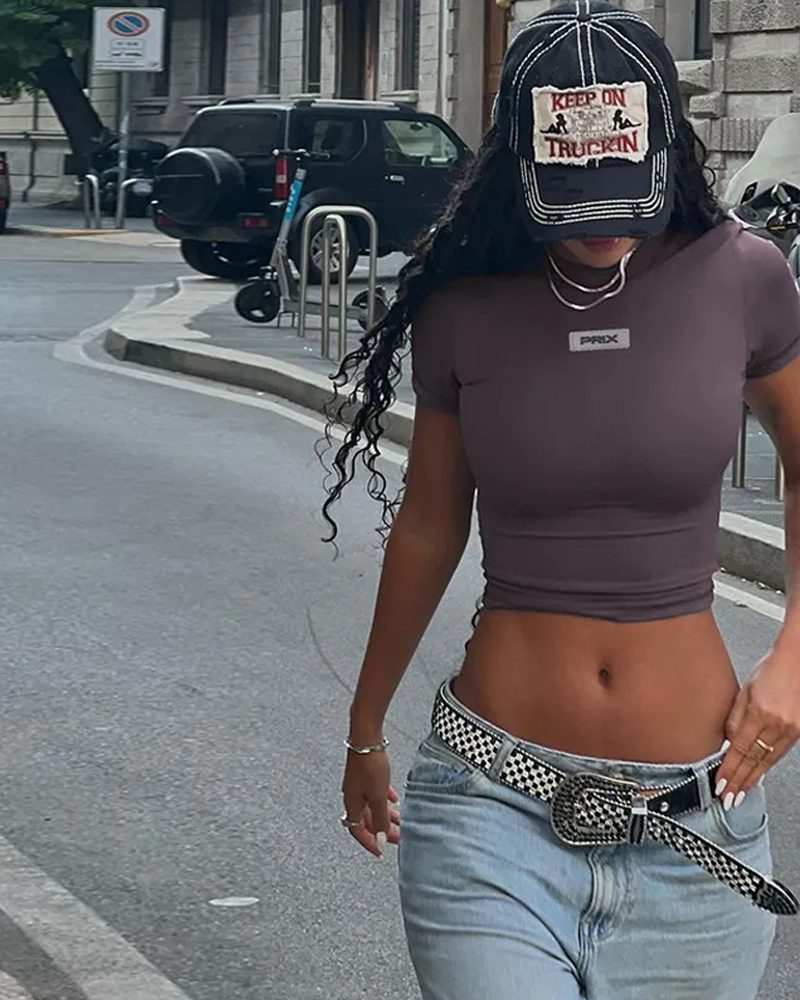
Wear clothes you do not mind getting marked, sleeves that stay out of the clay, and comfortable covered shoes to pottery class. Trousers or another flexible lower layer usually make wheel work easier. Bring an apron if the studio asks for one, and check its clothing guidance before your first visit.
You do not need a special pottery outfit. An older T-shirt and comfortable trousers are often a better starting point than buying something new for a messy activity.
You will usually sit close to the wheel and lean forward. Try that position at home: the waistband should not dig in, the neckline should stay where you want it, and the top should not ride up in a way that distracts you.
Choose sleeves that end above the working area or can be secured there. A loose cuff that slowly slides down is more awkward than a straightforward short sleeve. A short or restrictive skirt can also make the seated position uncomfortable.
Think about reaching across a table, standing and leaning. Keep dangling sleeves, necklaces and scarf ends away from the work surface. You may have more freedom in your clothing than at a wheel, but clay can still reach your lap, cuffs and shoes.
Follow the studio’s instructions for the materials you will use. Do not assume every mark will wash out just because the class is described as beginner-friendly. A washable older layer is still sensible.
Short-sleeve tee + comfortable trousers + covered shoes + apron if required. This gives you a simple outfit with few moving parts. Test that the trousers allow you to sit and spread your knees comfortably if you will use a wheel.
Clay Expression’s studio FAQ similarly recommends comfortable clothing and sports shoes, while flagging clothing such as short skirts and high heels as less suitable. Your own studio may have different requirements, so use its booking notes as the final check.
Use an existing old tee first. If you are also looking for an everyday short-sleeve top, our simple cropped crew-neck T-shirt can fit the basic formula with higher-waisted trousers and an apron. Check the cropped length during a seated forward lean before choosing it for wheel work.
Outside the studio, the same top works with jeans and an open cardigan. Buying it is not a requirement for taking a class, and we do not claim that clay or glaze marks will wash out of it.
A spare top can be useful if you are going somewhere else after class. Keep a separate bag for marked clothing if needed, and follow the studio’s cleanup instructions before leaving. Do not build an elaborate outfit around staying perfectly clean.
For ideas on the easy layer you can put back on afterward, see our cardigan styling guide. Choose clothes that let you concentrate on making something.

Free shipping worldwide with no minimum purchase.

Transactions encrypted and secured by a SSL protocol.

Not satisfied with your purchase? Return your order for free within 30 days.

Our after-sales service is there for you from Monday to Saturday.


